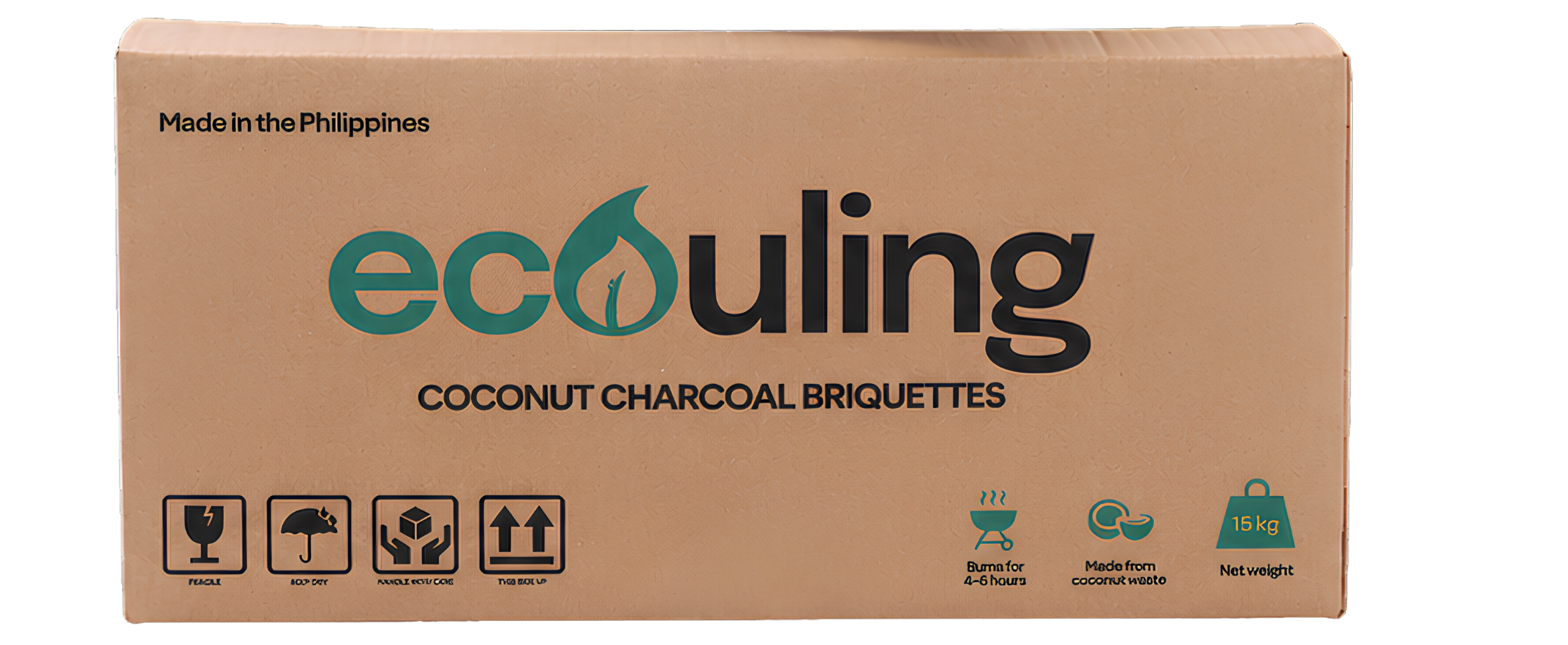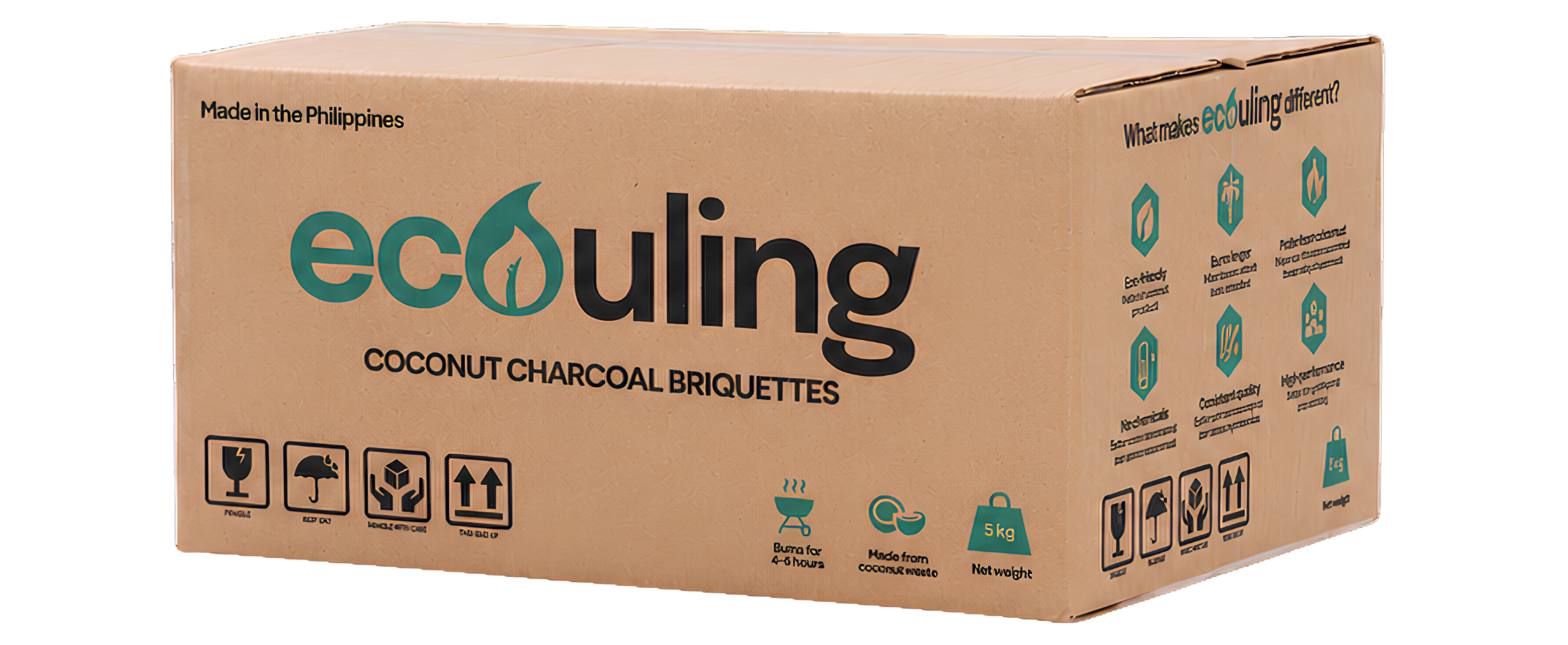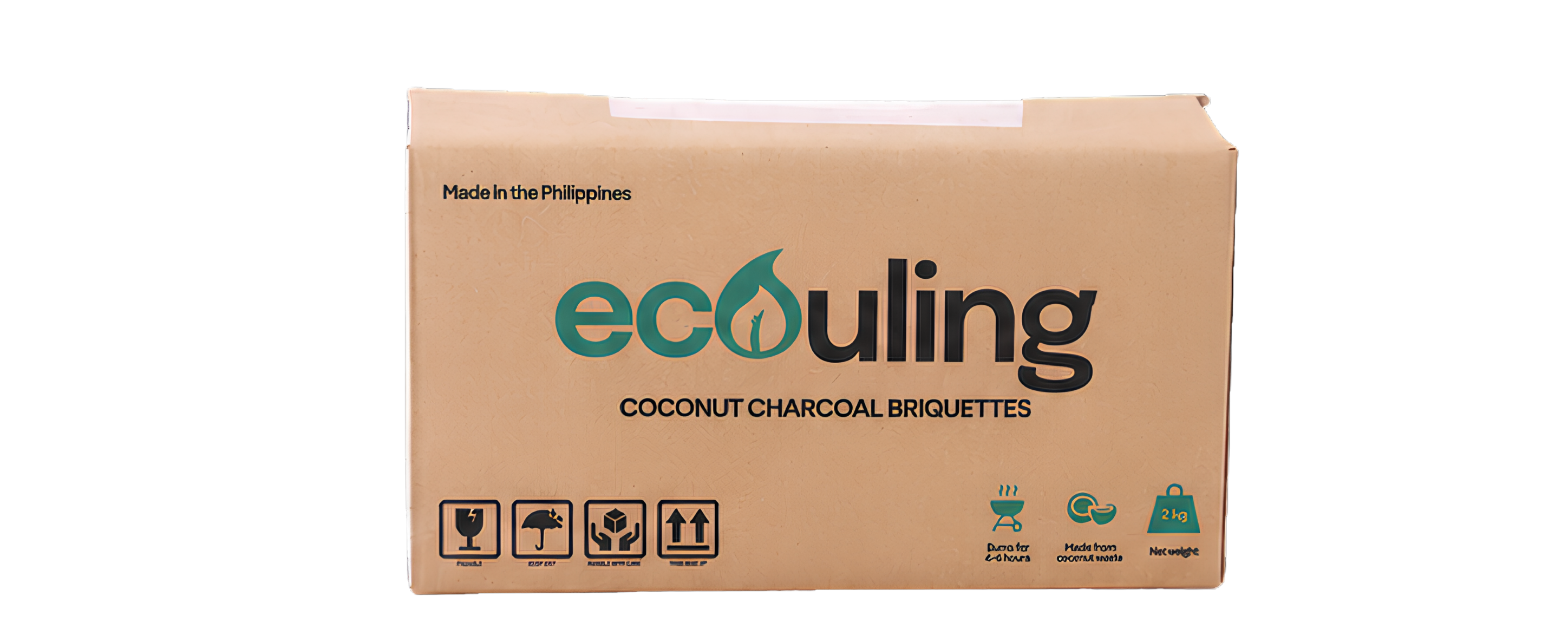

generates approximately,
2 million tons of coconut shells,
waste materials from the
production of coconut products.

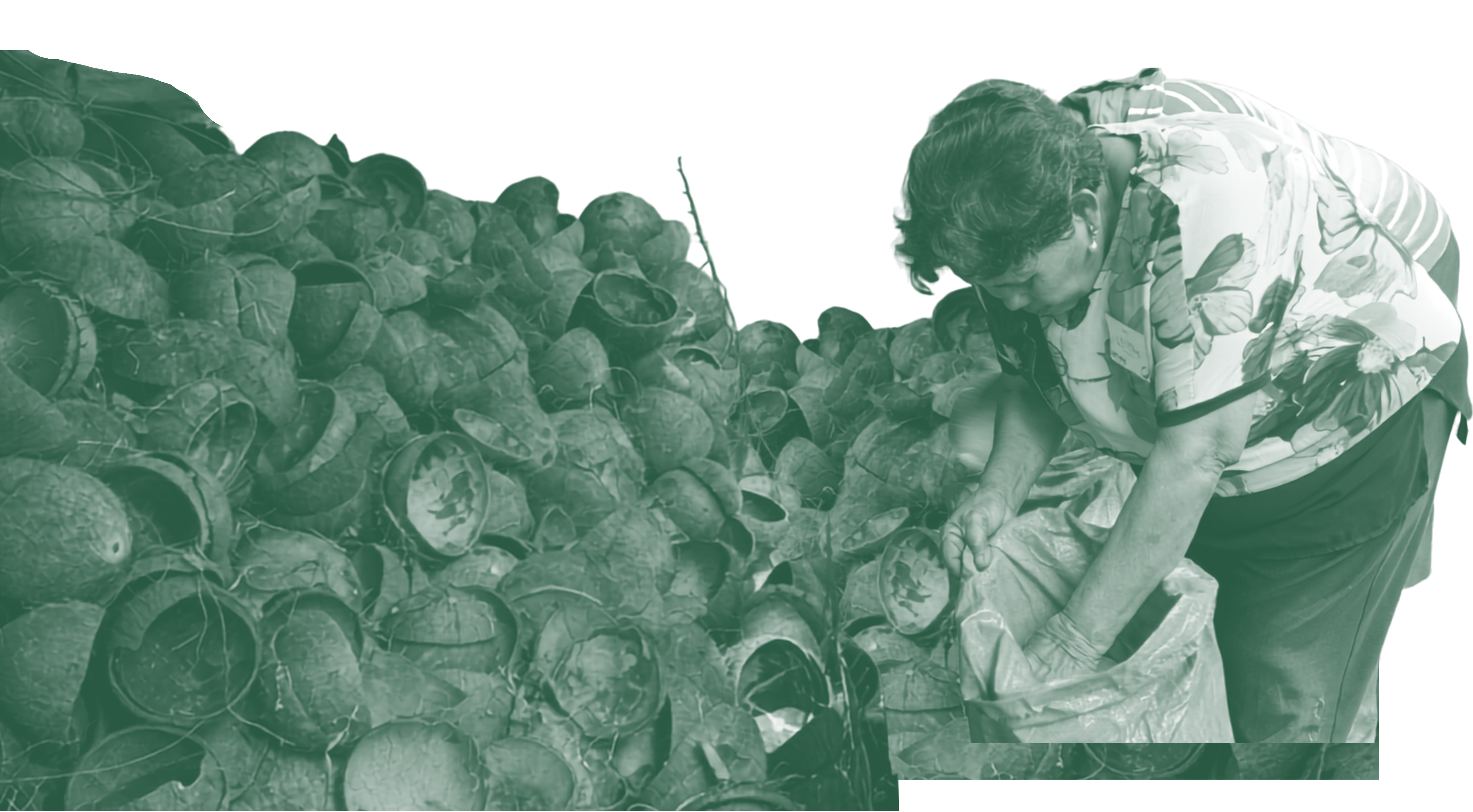


We work closely with coconut ‘koprahan’
farmers to reduce coconut waste which
typically ends up in landfills.

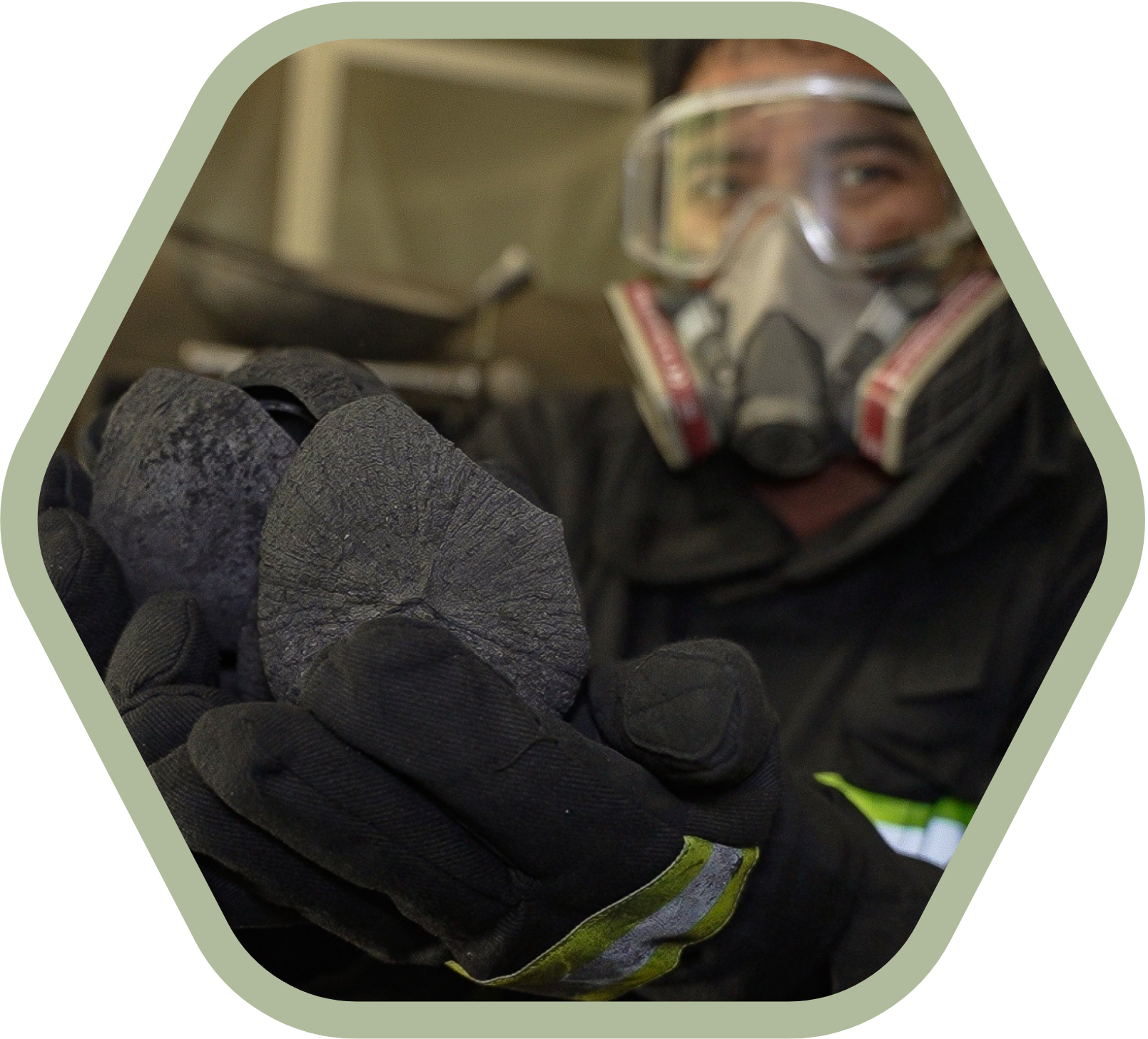
We repurpose
coconut waste as a
raw material for
charcoal production
by carbonizing them
in an industrial
thermal treatment
system.

After carbonization,
these shells are crushed
and mixed together with
a cassava starch binder.
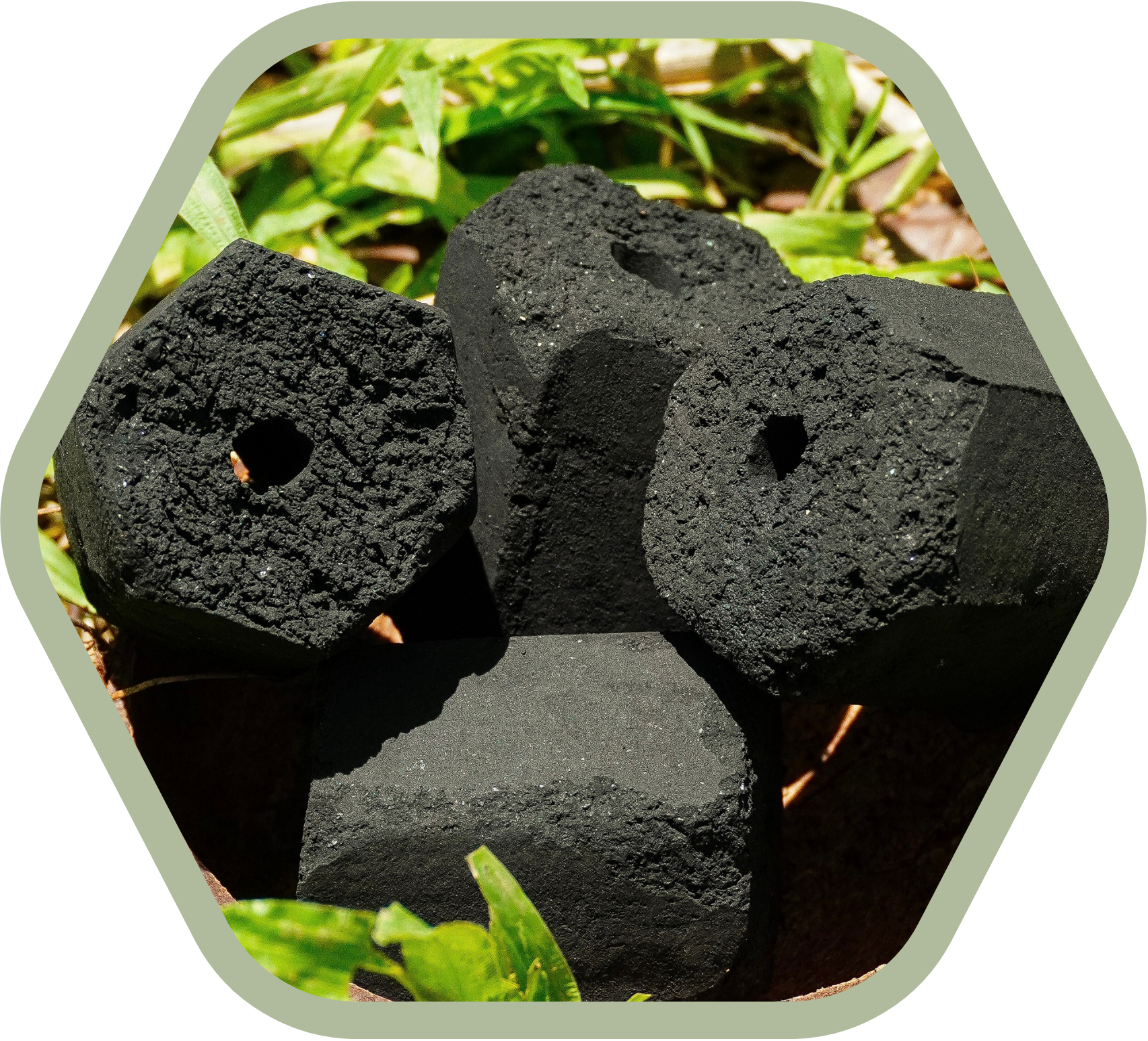
Then, finally molded
and compacted into
charcoal briquettes,
now known as EcoUling.

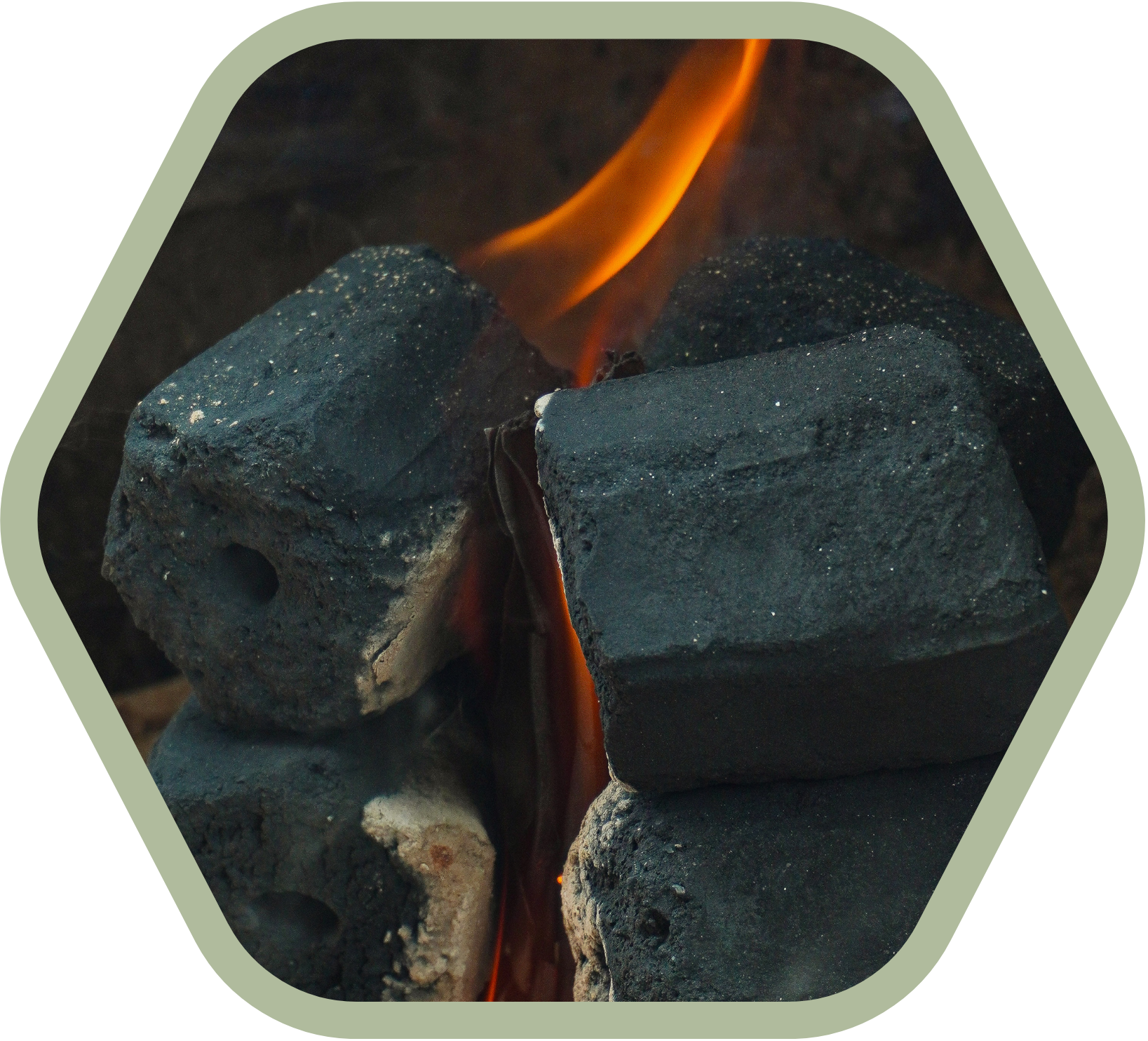
EcoUling has grown to
become the top sustainable
choice for grilling by
Michelin-starred restaurants
and top chefs nationwide.
With its heat performance
and cost efficiency,
businesses are now choosing
EcoUling to be their grilling
companion.


Now, we are on the mission to make EcoUling the norm
rather than an alternative as we continue to help businesses
develop their kitchen operations while conserving the
environment by mitigating agricultural biomass waste.
 Saves Trees
 Eco-Friendly
 Burns 6x Longer
 Twice the Heat
 Less to No
Smoke
 Supports
Communities
Make the
Switch
Now available on Shopee, Lazada, and TikTok